
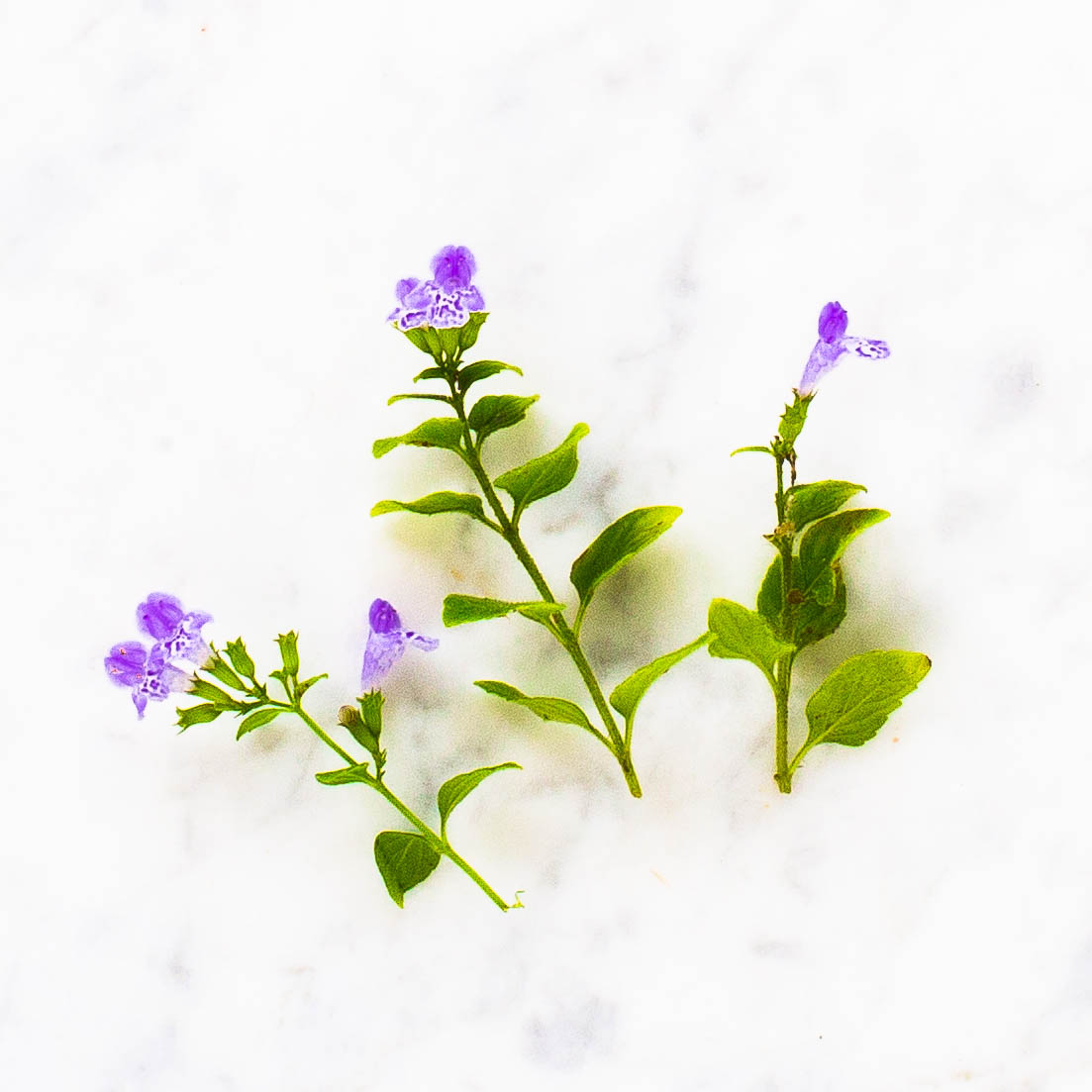
Tastes of a mild, lemony cross between mint and oregano. The leaves are indispensable in Italian bean and mushroom dishes, where it is called nepitella. In
Middle Eastern cuisine the dried leaves are used in the herb and spice mixture called za'atar. Use the tiny flowers to garnish salads, cakes, and desserts.
Edible parts: Blossoms, leaves
Disclaimer: All of the flowers listed here have been researched, however, individuals consuming the blossoms, petals, stems, leaves, or tubers of the plants contained on this website do so entirely at their own risk. Consume only plants that have been organically grown and check for any bugs crawling inside the blossoms. The edible parts of each plant are noted above. The latin name is provided for each specific plant; common plant names can include other plants that are inedible. It is best for pregnant persons or those that have plant allergies to not eat any of these flowers even though we have noted the ones that should definitely be avoided. If in any doubt please consult with your doctor.
COPYRIGHT © The Kitchen Garden Cooking School LLC 2023