
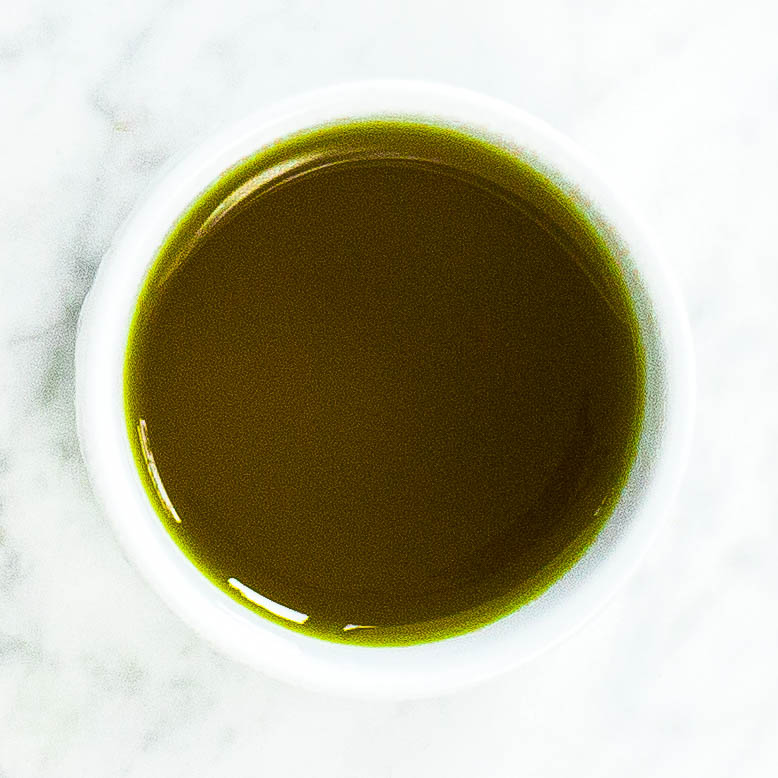
Pressed from the fleshy pulp surrounding the avocado pit. A high smoke point makes it good for frying. Adds a lovely flavor and color to foods. I've started using it a lot.
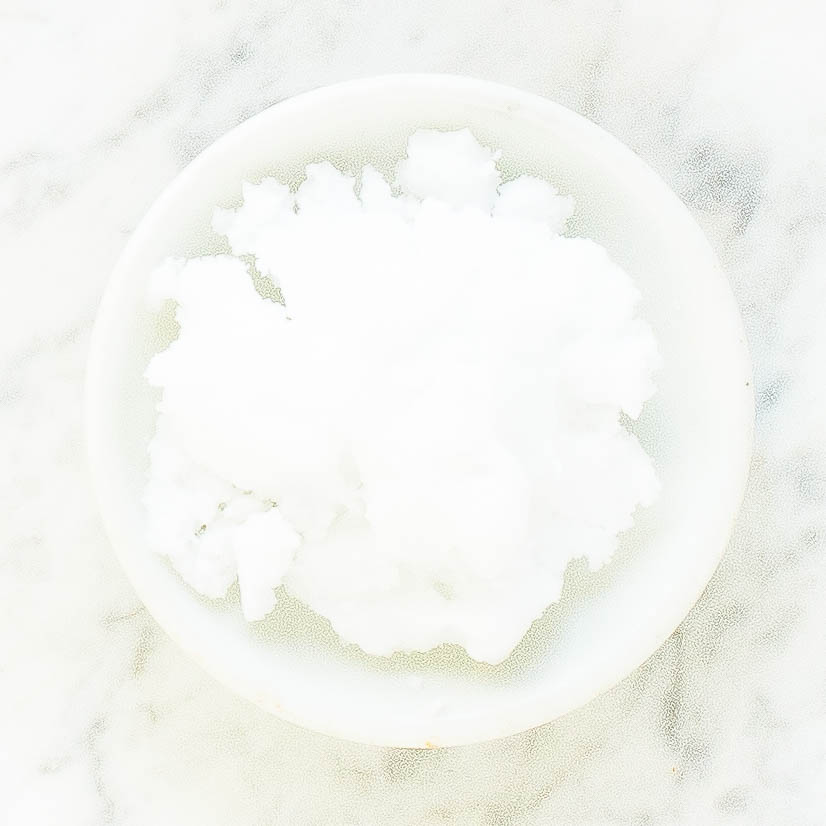
Contains the highest levels of saturated fats with a savory yet sweet, slightly nutty flavor. Excellent in Indian and Southeast Asian recipes. Remains solid at room temperature.
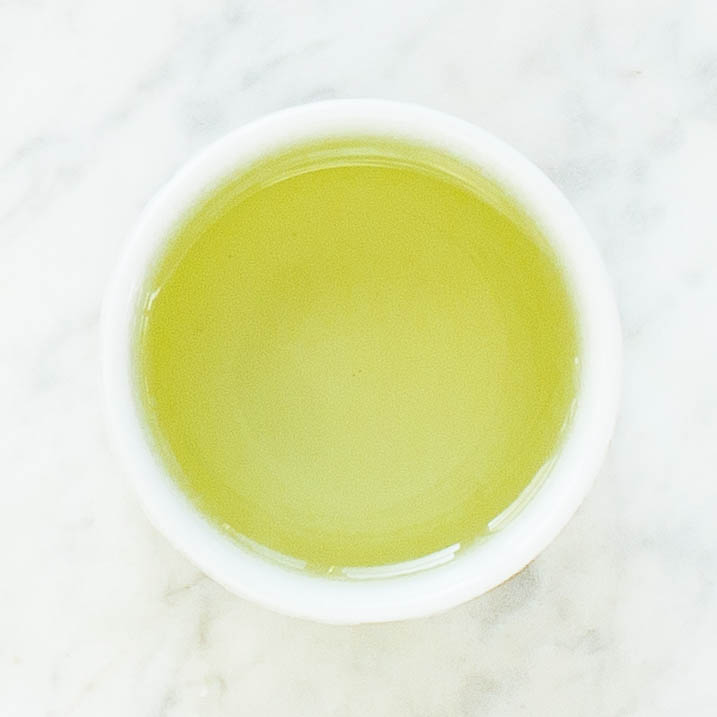
Wonderful as a finishing oil for salads. I keep mine refrigerated to prevent it going rancid in summer months.
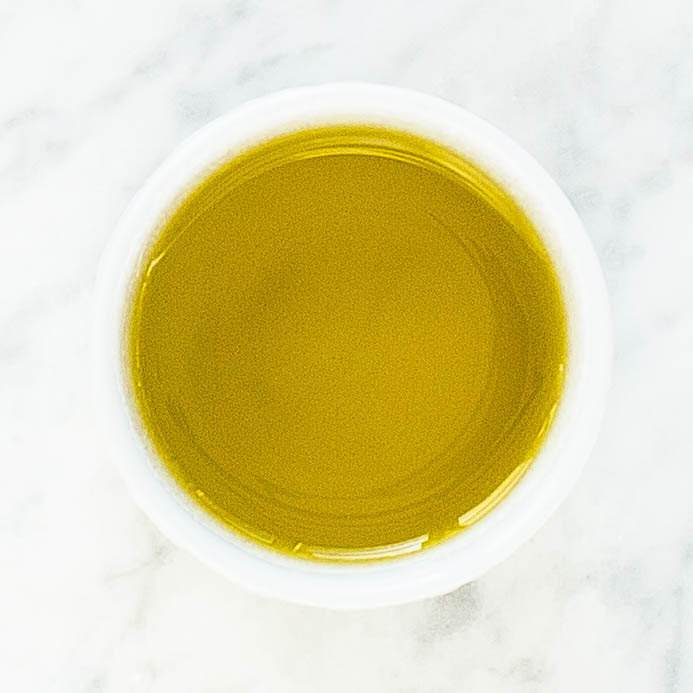
Flavor and color vary depending on the processing, region, and quality of fruit. Oils labeled "product of" are grown and produced in that country. "Produced in" are oils used from multiple countries. I always use extra-virgin for everything because I'm worth it!
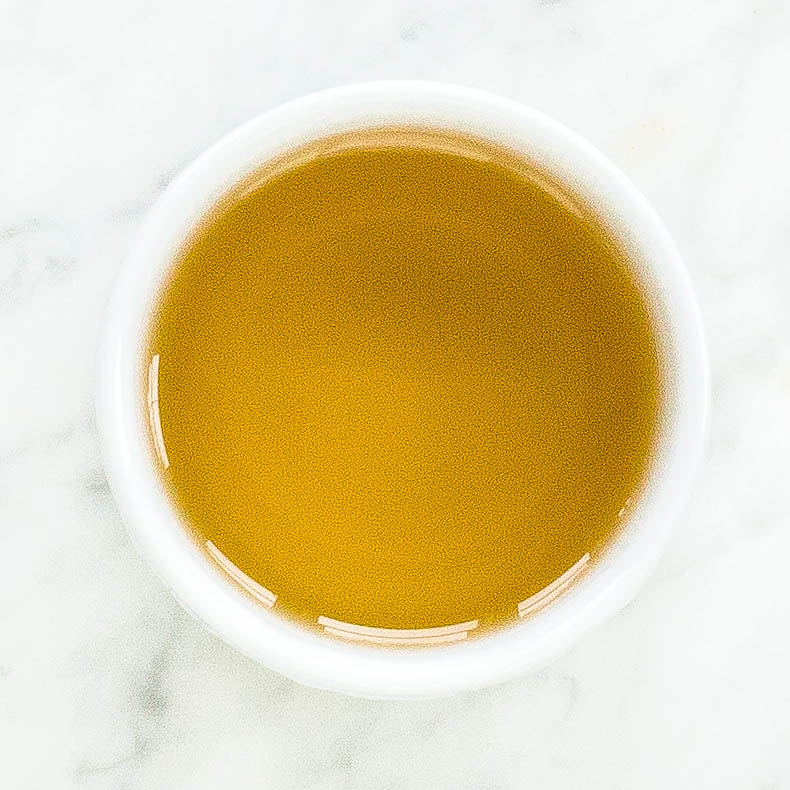
There are two types of peanut oil. The most available is pretty much flavorless. Roasted peanut oil has a delicious roasty flavor. I prefer the latter but it can be difficult to find. Use for frying, Asian sauces, salad dressing, soups, and stews.
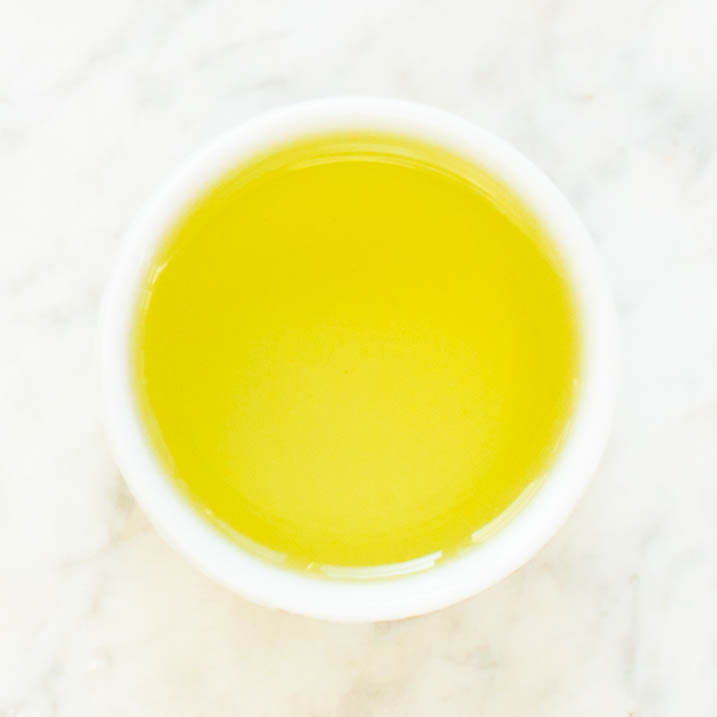
Safflower oil is pressed from the seeds of the safflower plant, a thistle-like member of the sunflower family. A light, all-purpose oil that is nearly tasteless. Excellent for frying.
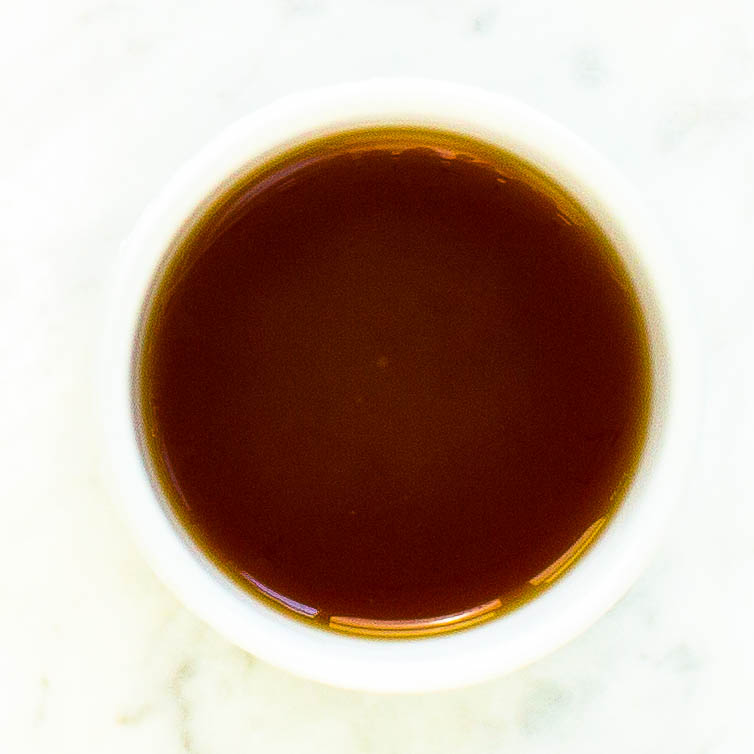
An intense flavor makes toasted sesame oil better for finishing a dish rather than cooking. Over-heating will make it taste burnt and slightly bitter. Add at the end of cooking. Store in the refrigerator.
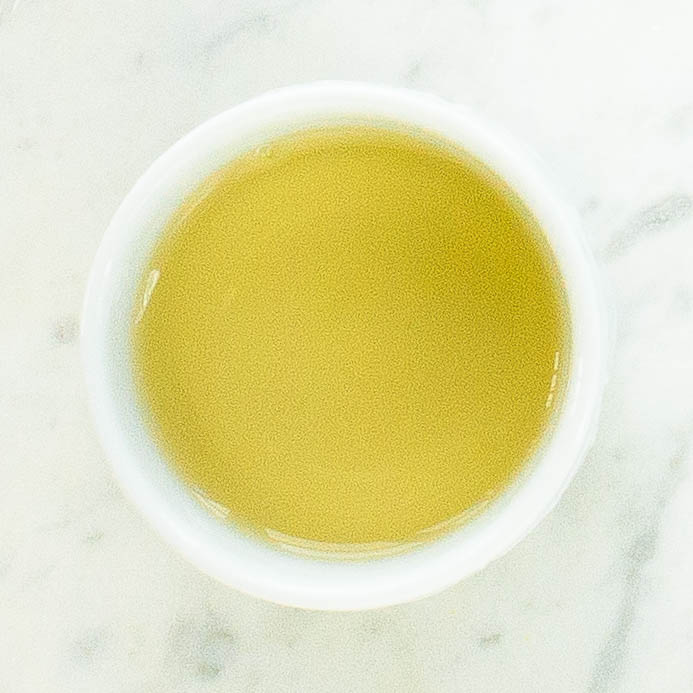
A pale, bland-tasting oil very similar to safflower oil but harder to find. Use for cooking and frying.
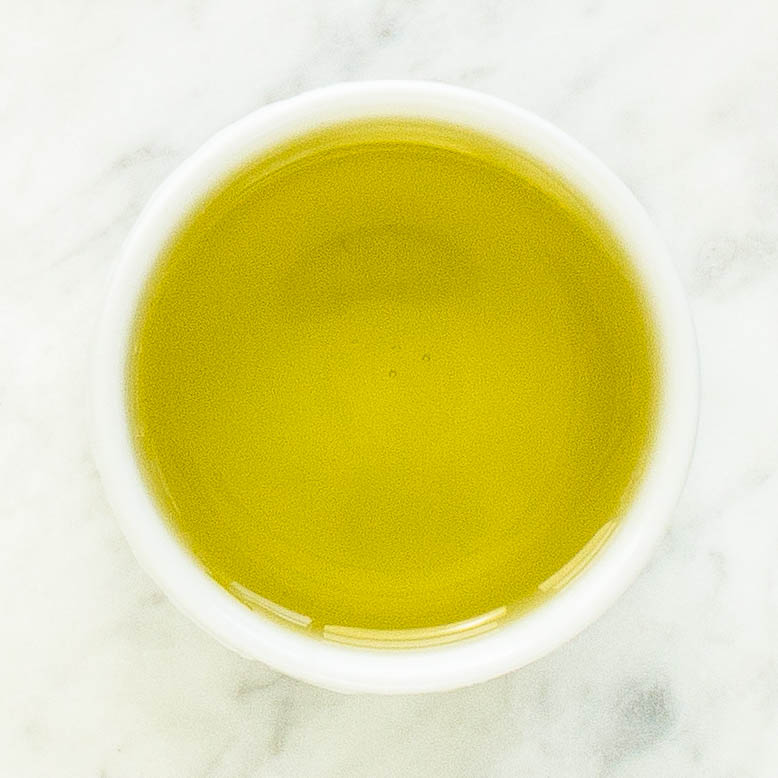
Used primarily in salad dressings but can be drizzled over cooked vegetables and pasta. It has a sweet, roasted, nutty flavor. Can be mixed with lighter oils. I store mine in the refigerator to keep it from going rancid.
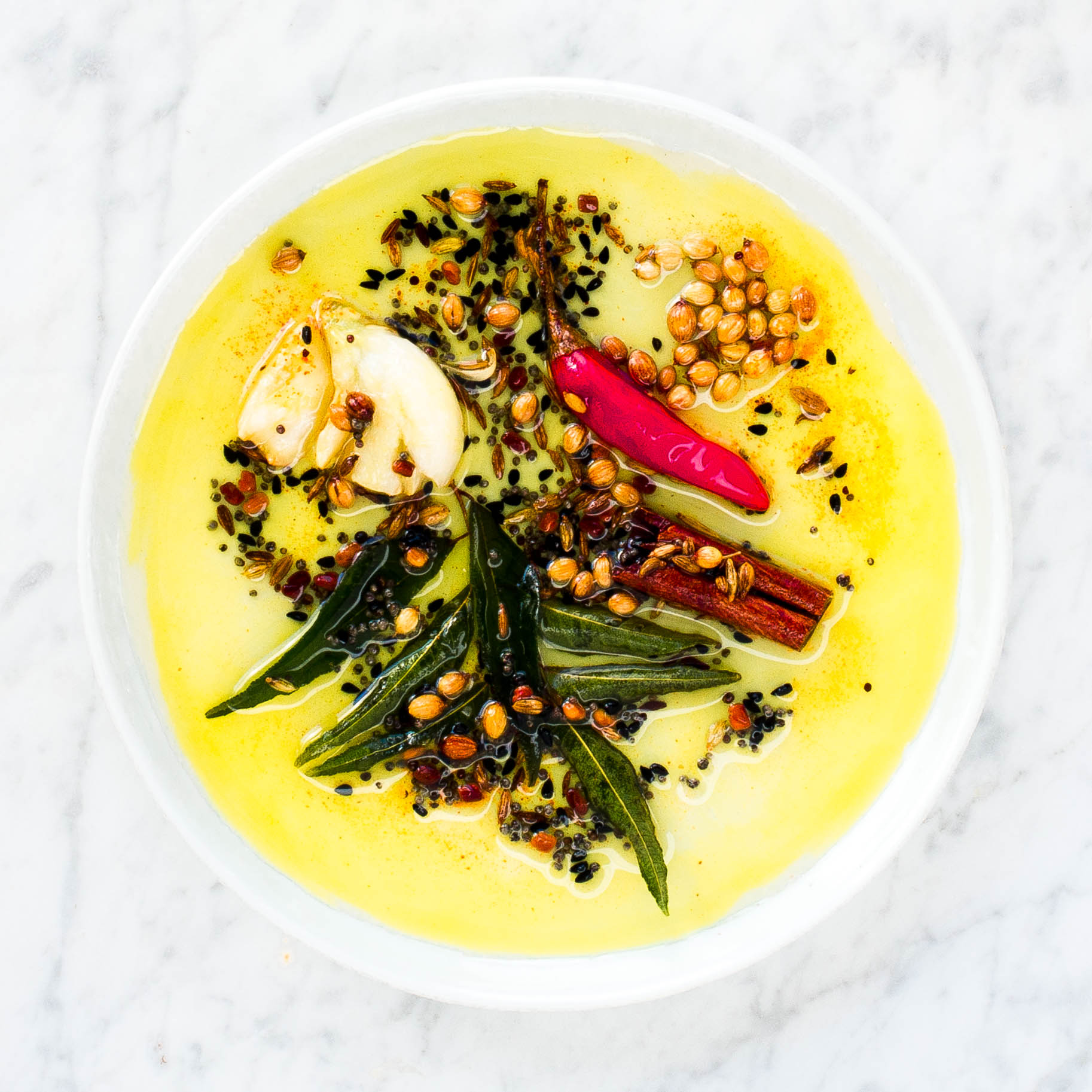
Adding spices to your oils for finishing will certainly add some zing to your life. Family and guests can drizzle an amount equal to their desire and tastebuds. Infuse with your favorite herbs and use as a flavorful garnish.
COPYRIGHT © The Kitchen Garden Cooking School LLC 2023